So let’s shed some light on the topic: While we tend to think of undereye shadows as a telltale sign of exhaustion, many factors—genetics, lifestyle, skin tone, even overall health—determine which type of dark circles show up and why.
Some of the culprits are self-inflicted, like staying up late watching Untamed (it’s good, we know) or ordering chips and queso three nights a week (also good, we know). But most are outside our control, which makes treating dark circles challenging.
The first step is pinpointing the root causes of your specific type of dark circles so you can identify the ingredients and lifestyle tweaks that can help improve them. Let’s go.
What are the different types of dark circles?
Each cause of undereye circles requires its own treatment approach. It’s a little bit like playing a game of Clue trying to pinpoint the suspect. Ideally, you’d see a dermatologist to examine your skin and give you a proper diagnosis.
Derm appointments aren’t always easy to come by, of course. We enlisted the help of Michael Krathen, M.D., a board-certified dermatologist in Natick, Massachusetts, and Chief Medical Adviser for Cottonball, to help you determine which type of dark circles you have and how to treat them.
1. Excess pigmentation
If you’re a chronic eye rubber, prone to allergies, or have an inflammatory skin condition like eczema or psoriasis that causes flare-ups on your face, then hyperpigmentation may be to blame for your dark circles. Anything that causes frequent inflammation in the skin around the eyes can trigger an overproduction of melanin, causing the skin to darken.
Genetics can also play a role, and frequent sun exposure can compound the issue. People of Asian or East Asian descent, as well as those with darker skin tones, tend to be more susceptible to post-inflammatory dark circles.
To tackle this type of undereye circle, you need an eye treatment that helps fade the excess pigment and prevent further—here comes the medical speak—post-inflammatory hyperpigmentation. Tretinoin, a prescription-strength retinoid, does both by increasing skin cell turnover to shed the darker cells and replace them with fresh, even-toned cells.
Potent skin brighteners like vitamin C and niacinamide will also help minimize pigmentation-induced dark circles. One small study found that a blend of brighteners including retinol (an over-the-counter retinoid) and niacinamide can significantly improve hyperpigmentation.
Undraw your circles. Brighten your eyes. We've got the fix.
Since UV rays can trigger hyperpigmentation, be sure to apply broad-spectrum SPF 30 or higher around your eyes every day, and wear sunglasses and a hat whenever you’re outdoors in direct sunlight. And try not to rub your eyes too much, as this can cause tiny blood vessels to break, leading to blood pooling under the skin and worsening the appearance of dark circles.
2. Thinning skin and vascular issues
The skin around our eyes is naturally thinner than the skin on the rest of our face. And as we age, it loses collagen, fat, and other structural proteins, causing the skin to become more tissue-paper-y. “This makes the underlying muscle and blood vessels more visible, creating a dark, shadowy look,” explains Dr. Krathen.
In addition, genetics, certain skin conditions, and allergies can cause superficial blood vessels in the skin around the eyes to leak. And when the blood settles under the skin, it creates pronounced darkness. If you find that even an opaque concealer doesn’t fully cover your dark circles, the cause may be vascular.
To help thicken the thin skin in this area, look for an eye treatment with a prescription-strength retinoid such as tretinoin. Tretinoin stimulates collagen production to help increase skin’s density. Hyaluronic acid will also help plump and hydrate the skin.
An eye treatment with caffeine can help constrict blood vessels to minimize the look of vascular-related undereye circles, while vitamin K helps support healthy blood circulation and reduce the look of discoloration.
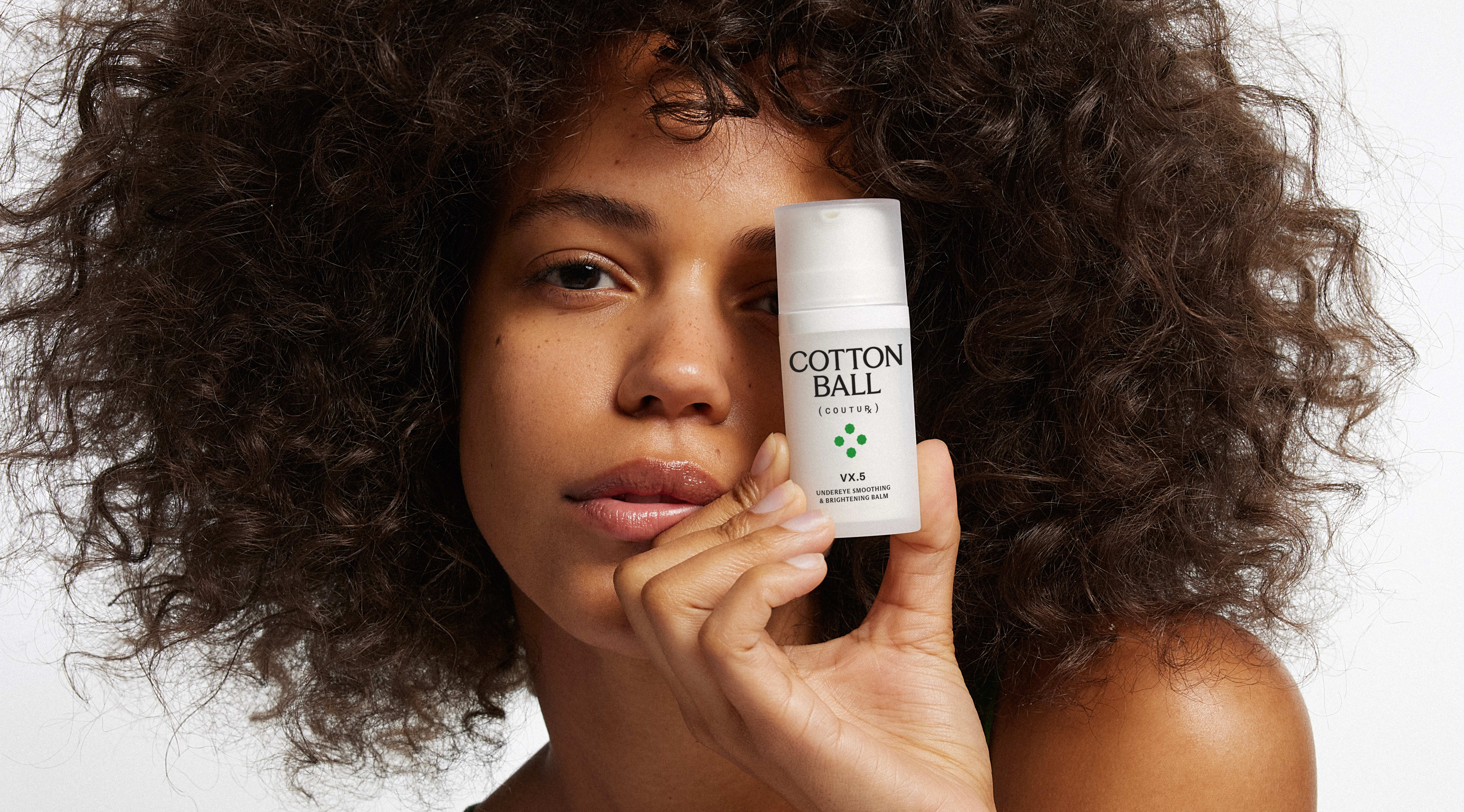
Cottonball VX.5 Undereye Smoothing & Brightening Balm contains all of these ingredients at levels personalized to your skin type.
Bonus pro trick: Try sleeping with your head elevated at an angle to help prevent blood from pooling under the skin. In a pinch, apply a cold compress to your eyes, which helps constrict blood vessels and improve circulation.
3. Allergies
While allergies are frequently to blame for puffy eyes, they could be darkening the area too. Known as “allergic shiners,” these undereye circles result from nasal congestion that slows the blood flow around your nose, which causes swelling that makes the veins close to the skin’s surface appear darker and bruise-like. Plus, as the allergic population well knows, it's hard not to rub itchy, watery eyes, setting off post-inflammatory hyperpigmentation that makes discoloration look worse.
If you’ve got allergies but not sure whether they’re the dark-circle offender, try taking a daily antihistamine to see if it improves things. For severe allergies, a doctor can administer allergy shots to help reduce the overall symptoms.
Then, look for an eye treatment that contains caffeine, which can help reduce swelling; niacinamide, which helps strengthen the skin barrier and reduce inflammation; and bisabolol, a soothing anti-inflammatory agent that’s also been shown to significantly reduce hyperpigmentation.
4. Hollowing around the eyes
You’ve likely seen one of any million osteoporosis ads telling you that bones get brittle with age. Well, it happens in your face too. Both the bones and fat there lose density, which can cause a hollowing effect around the eyes that creates dark shadows.
While no eye cream can fix skin that’s sunken in, a dermatologist can offer professional treatment options, such as dermal fillers, that can restore some of the lost volume.
5. Health
Sometimes, dark circles signal an underlying health issue. These can range from vitamin B deficiencies or anemia, which can typically be remedied with supplements, to more serious issues like diabetes, thyroid problems, or kidney disease.
Lifestyle matters as well. Any habits that cause persistent inflammation—such as a diet high in sugar, refined carbohydrates, and fried foods, or chronic stress and poor sleep—can exacerbate the underlying issues causing dark circles.
If you have pronounced dark circles or they seem to come on rather suddenly, Dr. Krathen advises seeing a dermatologist or your primary care physician. It's important to ensure there's no underlying health issue.
How can I treat dark circles at home?
Have we mentioned Cottonball VX.5 Undereye Smoothing & Brightening Balm? (Ahem.) It's an all-in-one solution that addresses the multiple causes of different dark circles.
Depending on your skin tone and specific concerns, your formula may include tretinoin or a blend of bisabolol and bakuchiol, a gentler retinoid alternative that’s been shown to work as well as retinol in significantly reducing hyperpigmentation and fine lines. (For those with sensitive skin, it's typically easier to tolerate.)
VX.5 also contains vitamin C to brighten skin and fade hyperpigmentation, caffeine and vitamin K to reduce swelling and support healthy blood circulation, and a powerhouse blend of hydrators including hyaluronic acid, vitamin E, squalene, and ceramides. Our dermatologists and pharmacists will determine the right percentage for you, then compound a formula from scratch.
Dark circles can be stubborn to treat, but the right ingredients and a targeted approach can deliver noticeable improvement and support healthier, more resilient skin. Answer a few questions to find out if the Cottonball VX.5 Undereye Smoothing & Brightening Balm is right for you.
READ MORE: Your Ultimate Guide to Anti-Aging for Eyes